Chippa So’o – stuffed Bread from Paraguay
Pane-Bistecca
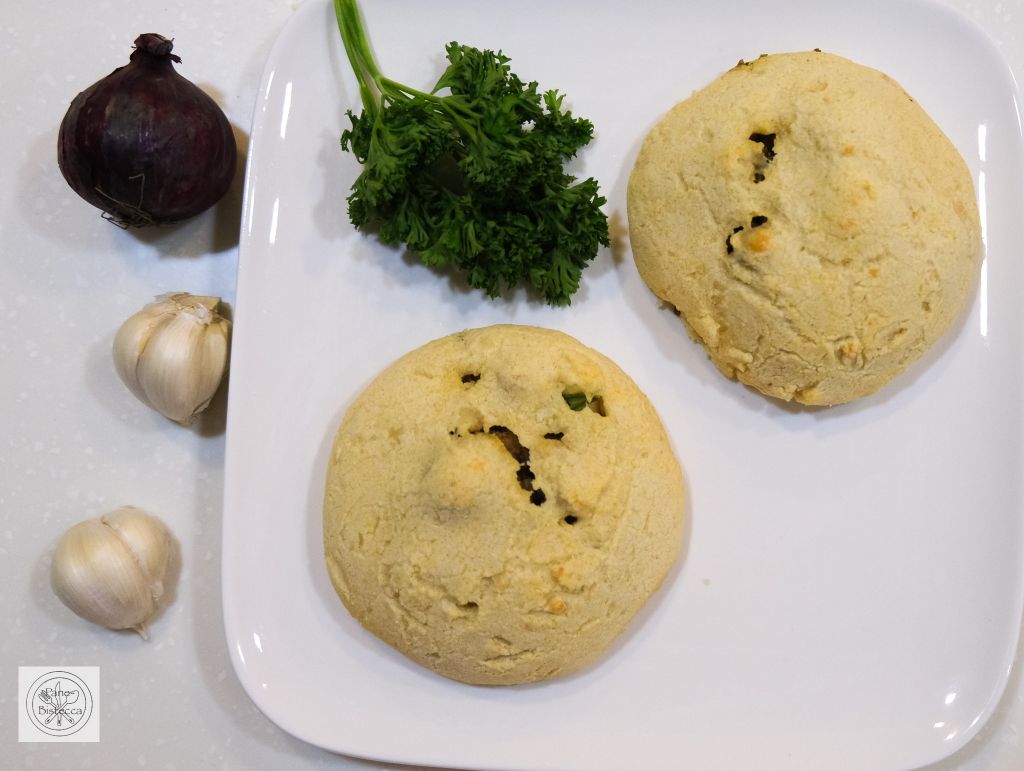
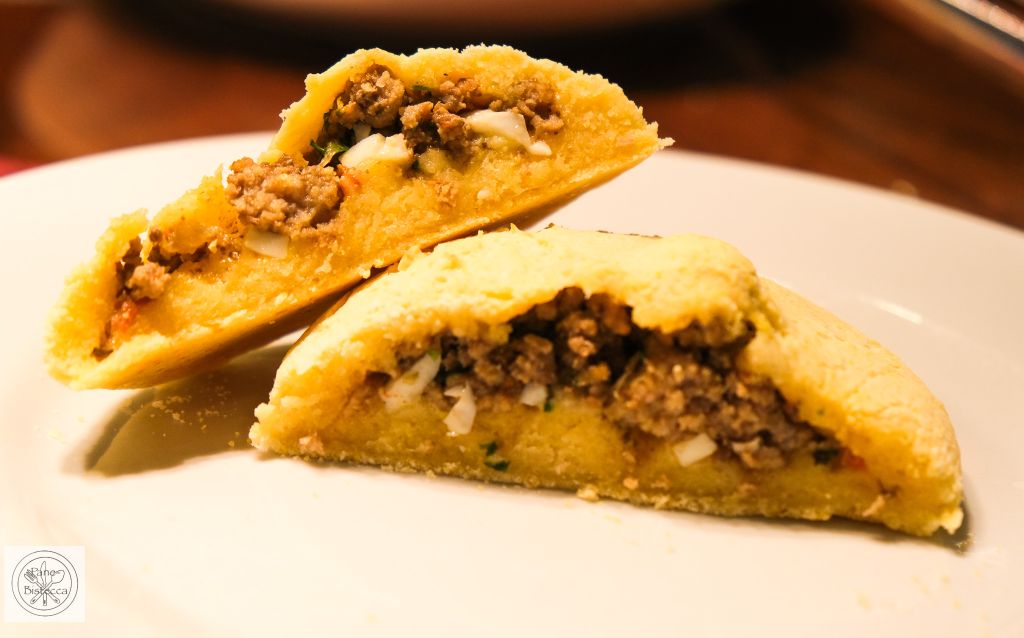
Chippa So’o — a stuffed bread from Paraguay — is participating in the “Culinary World Tour” blog event hosted by Volkermampft. This month we’re traveling to Paraguay; every month we stop in a different country.
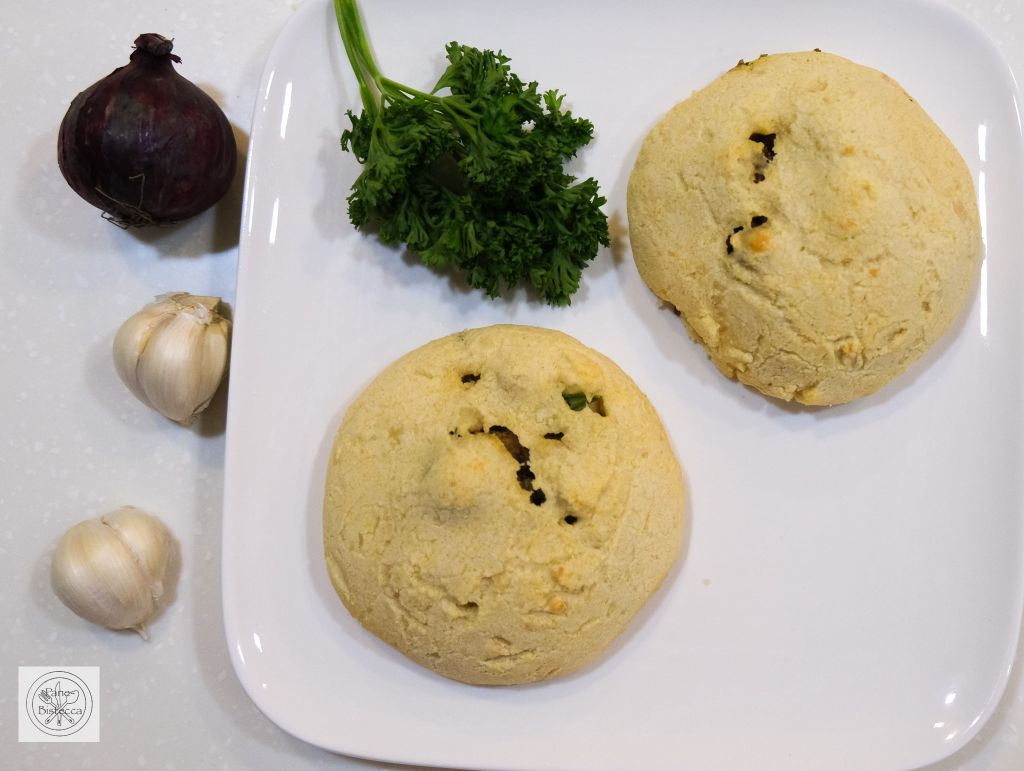
Paraguayan chipa is a traditional, cheesy bread made from cassava/manioc flour. It’s naturally gluten-free and can be eaten stuffed or plain.
Chipa has a rich history that is closely tied to the culture and religion of Paraguay. It is believed that the bread originated with the Guarani people, for whom cassava was a staple food. When the Spanish arrived in the 16th century, they introduced cheese and eggs to the region, which were subsequently incorporated into the traditional recipe for cassava bread. Today, chipa is associated with the Catholic Church and is often eaten during Holy Week as a symbol of communion with Christ.
Some historians point out that the German traveler Ulrich Schmidl mentioned the recipe for this type of starchy bread—made by the Cario-Guarani people (an indigenous tribe that once lived in Asunción)—as early as the colonial era. Schmidl was responsible for making entries in the logbook of the Spanish ship carrying the expedition led by Juan de Ayolas, which was later to arrive in Asunción, marking the first encounter between the Spaniards and the Cario-Guarani.
Schmidl’s notes and historical sources from the colonial period mention on several occasions that the Cario-Guarani prepared bread from cassava, corn, and sweet corn, mixed with animal fat and known as “mbujapé” (meaning “bread” in the Guarani language). A fusion of ingredients was due to the introduction of cattle to Asunción in 1556; thanks to these animals, new ingredients such as beef, milk, eggs, cheese, and so on eventually became available.
This combination gave rise to dishes that have been known from colonial times to the present day and are traditionally part of Paraguayan cuisine.
Paraguayan chipa is a traditional, cheesy bread made from cassava/manioc flour. It’s naturally gluten-free and can be eaten stuffed or plain.
Chipa has a rich history that is closely tied to the culture and religion of Paraguay. It is believed that the bread originated with the Guarani people, for whom cassava was a staple food. When the Spanish arrived in the 16th century, they introduced cheese and eggs to the region, which were subsequently incorporated into the traditional recipe for cassava bread. Today, chipa is associated with the Catholic Church and is often eaten during Holy Week as a symbol of communion with Christ.
Some historians point out that the German traveler Ulrich Schmidl mentioned the recipe for this type of starchy bread—made by the Cario-Guarani people (an indigenous tribe that once lived in Asunción)—as early as the colonial era. Schmidl was responsible for making entries in the logbook of the Spanish ship carrying the expedition led by Juan de Ayolas, which was later to arrive in Asunción, marking the first encounter between the Spaniards and the Cario-Guarani.
Schmidl’s notes and historical sources from the colonial period mention on several occasions that the Cario-Guarani prepared bread from cassava, corn, and sweet corn, mixed with animal fat and known as “mbujapé” (meaning “bread” in the Guarani language). A fusion of ingredients was due to the introduction of cattle to Asunción in 1556; thanks to these animals, new ingredients such as beef, milk, eggs, cheese, and so on eventually became available.
This combination gave rise to dishes that have been known from colonial times to the present day and are traditionally part of Paraguayan cuisine.
Ingredients
Teig:
500 g Cassava/Maniok Starch
100 g very fine Corn Flour
approx. 500 g grated Cheese
100 g soft Butter
1 Egg
¼ tsp Salt
Milk
500 g ground Beef
2 Onions, chopped
4 Tomatoes, diced
1 red Bell Pepper, diced
6 Garlic cloves, chopped
Salt and Pepper
Paprika
Cumin
Oregano
1 hard boiled Egg, chopped
Parsley, chopped
Filling:
Instructions
1
Step 1
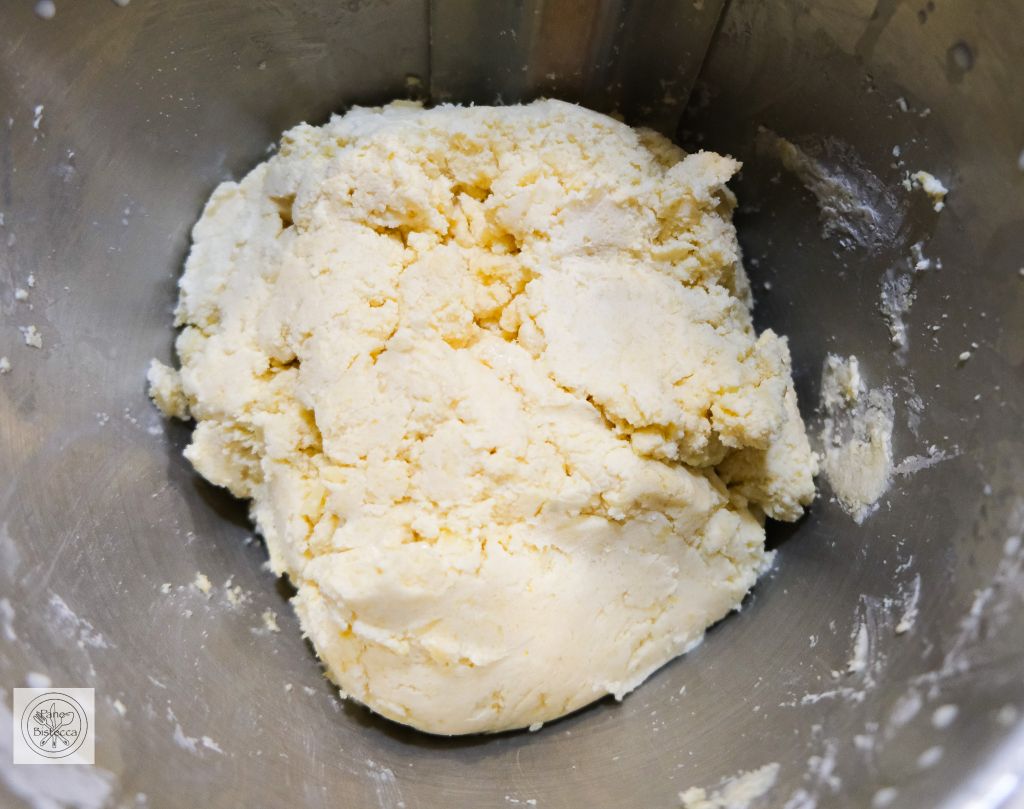
For the dough, mix the flours, then add the butter, egg, grated cheese, and salt, and mix together. Slowly add milk until a dough forms. Cover and let rest.
2
Step 2
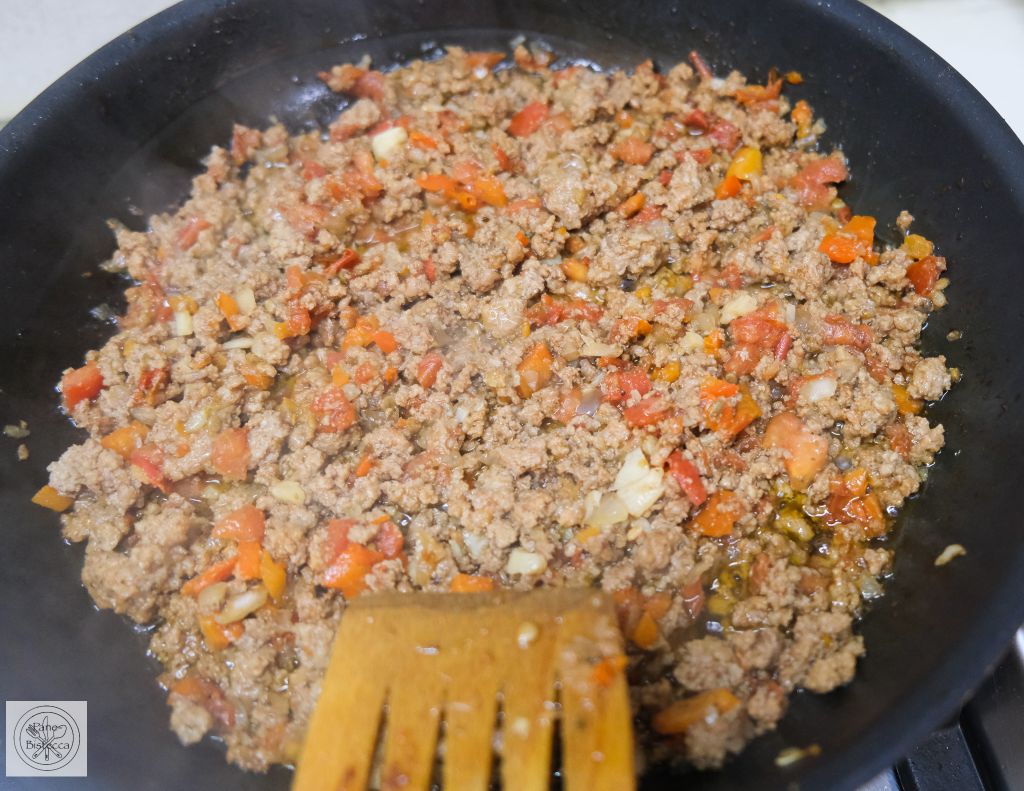
Sauté the onion, garlic, and red bell pepper in a little oil, then add the ground beef. Season well.
3
Step 3
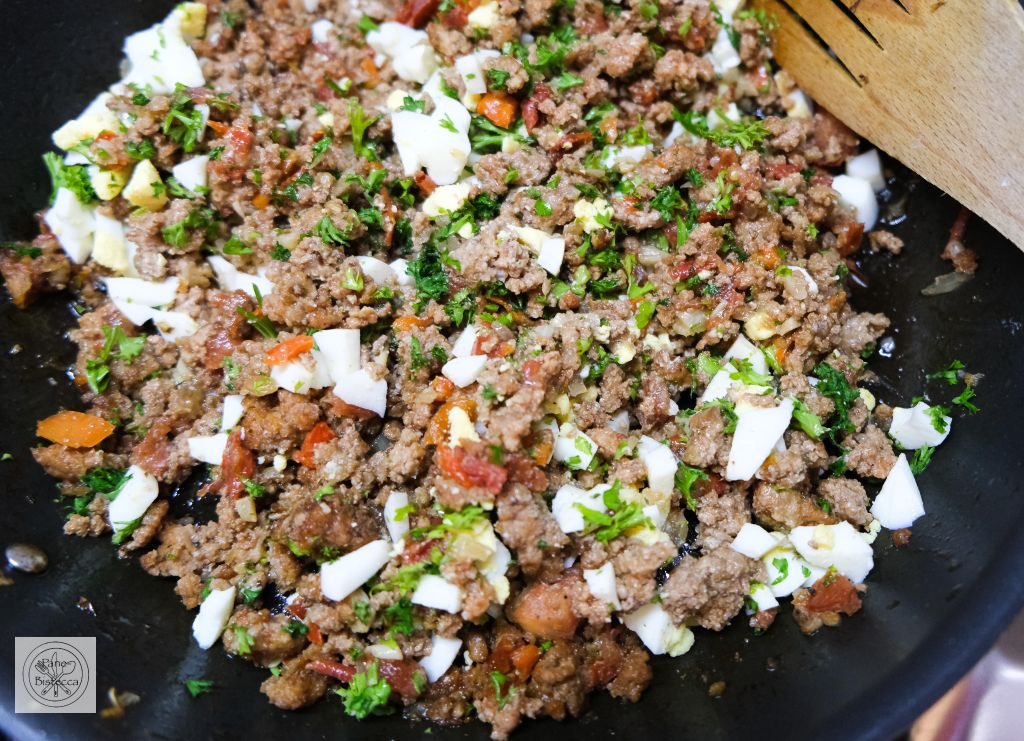
Add the tomatoes and let simmer for a good 20 minutes until all the liquid has evaporated. Finally, stir in the parsley. Let cool.
4
Step 4
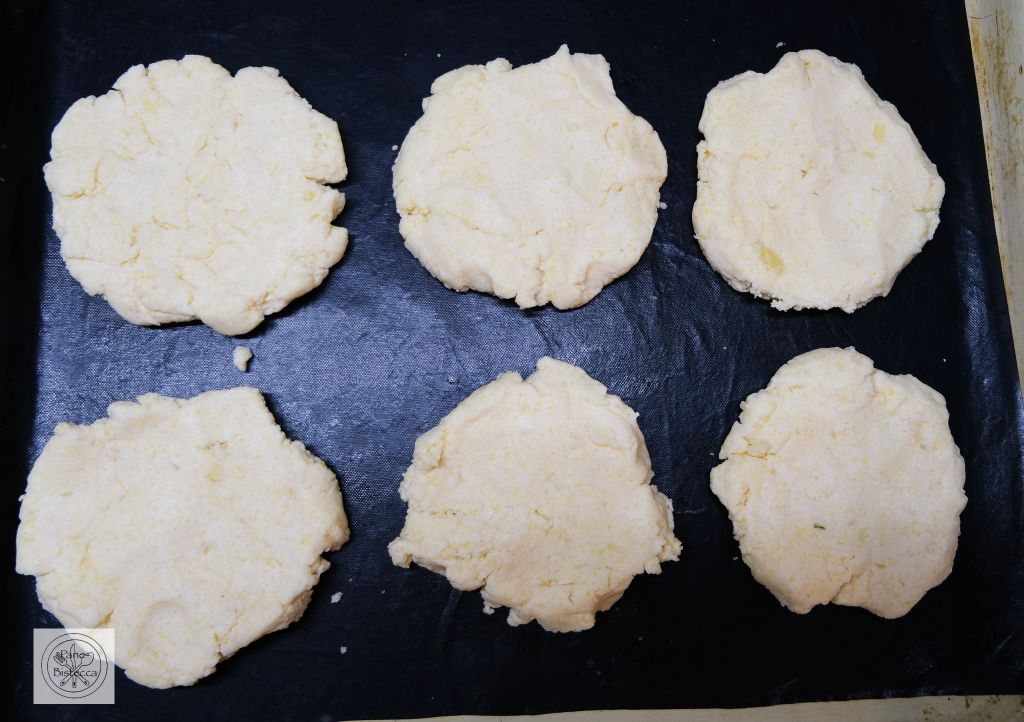
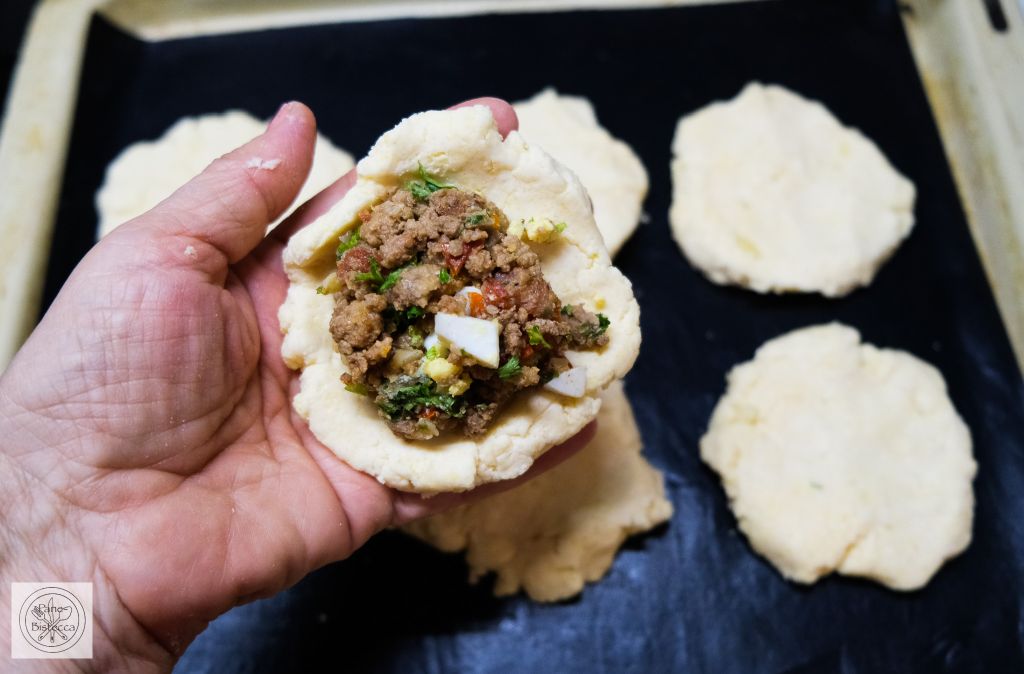
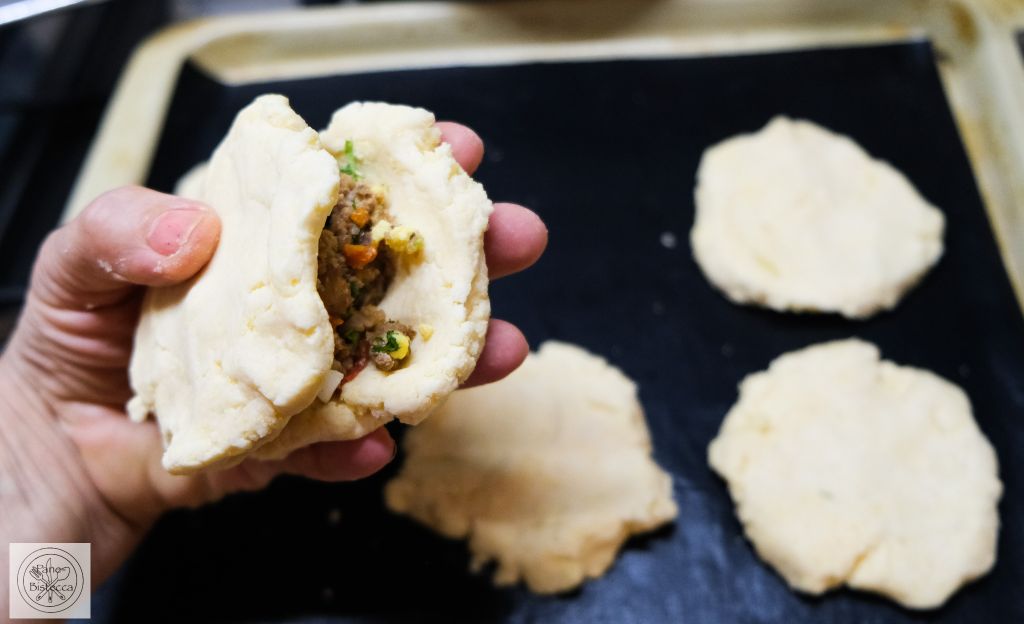
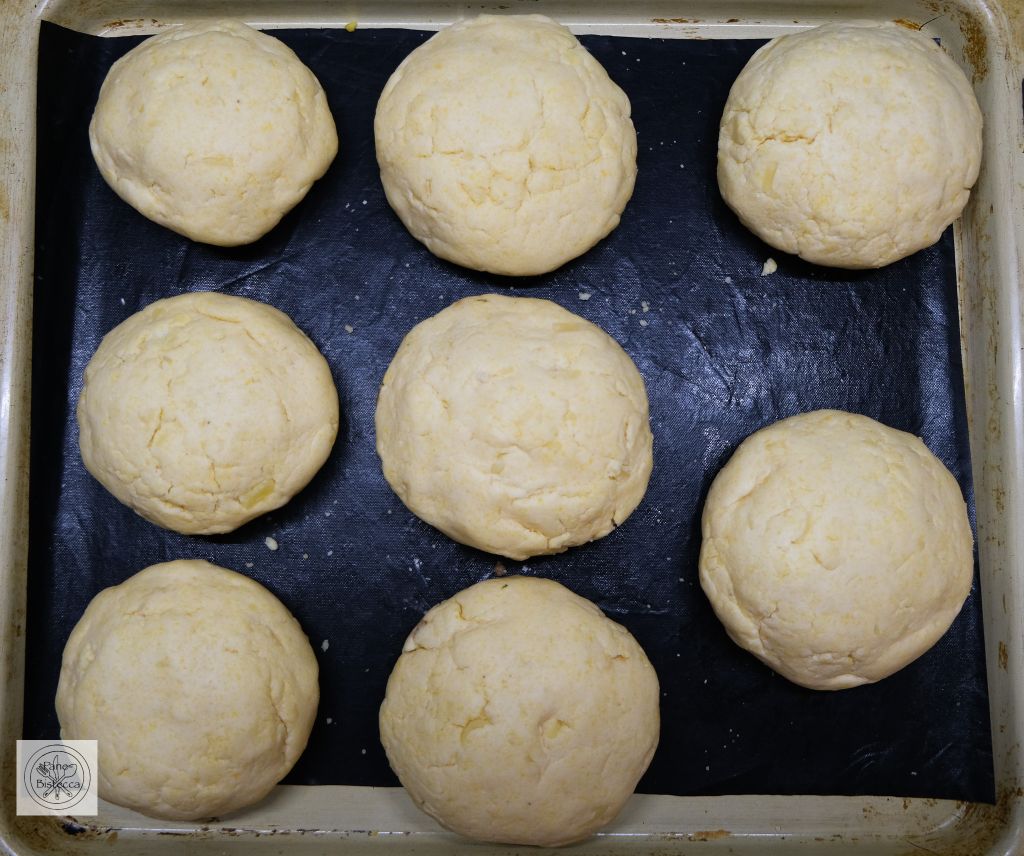
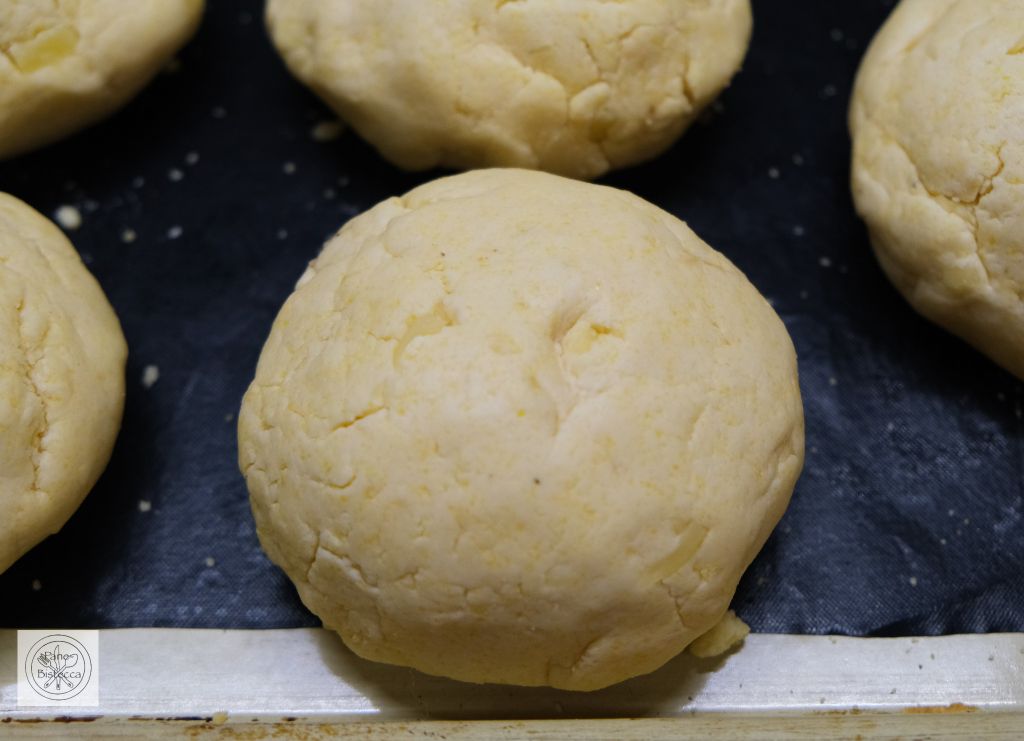
Form the dough into rounds the size of the palm of your hand. Place 1–2 tablespoons of the cooled filling on one round (see pictures) and top with a second round. Press the edges together firmly and place the rolls on a baking sheet.
5
Stept 5
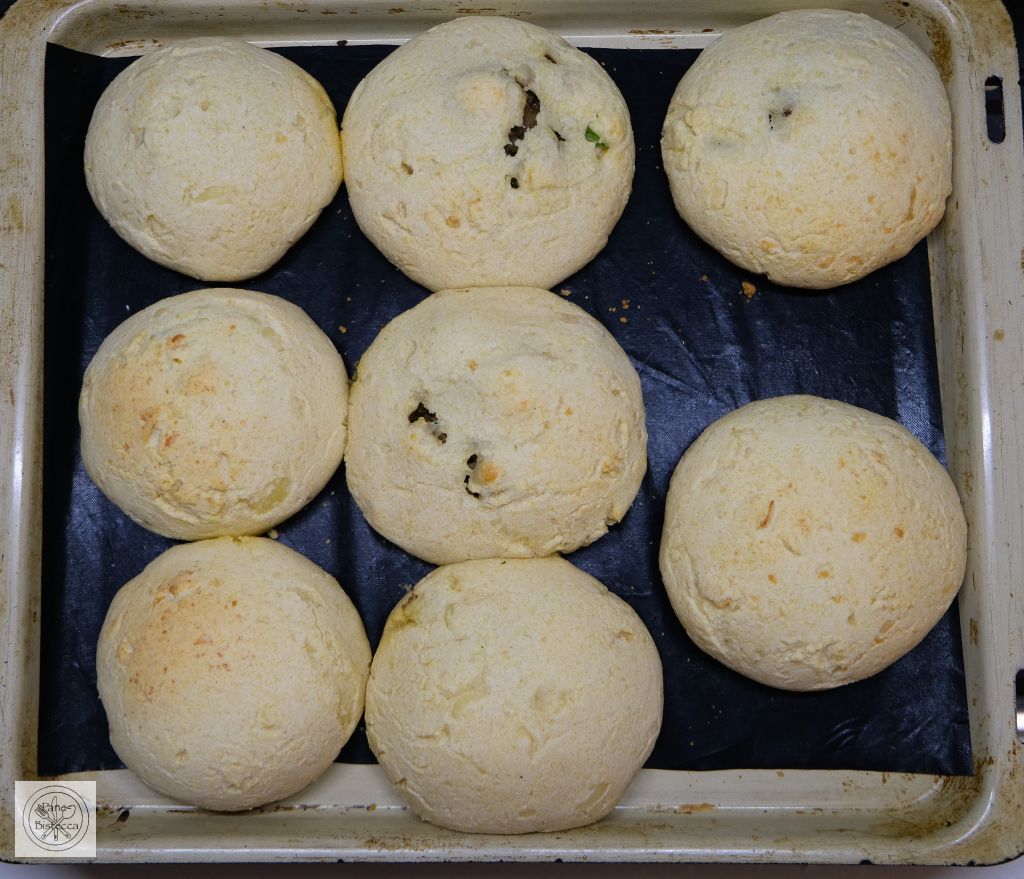
Bake in the oven at 180°C for 20–30 minutes until lightly browned. Serve hot or cold.
Notes
Here are more Recipes from the Blogevent the Culinary World travel!
- Wilma von Pane-Bistecca mit Caipirinha und Chipa So’o – gefuelltes Brot aus Paraguay
- Susanne von magentratzerl mit Mbejú – Käsepfannkuchen
- Jenny von Jenny is baking mit Mbeju – glutenfreie Käsepfannkuchen
- Regina von bistroglobal mit Lomito Arabe
- Friederike von Fliederbaum mit Sopa paraguaya (Maisauflauf) und Salsa criolla
- Tina von Küchenmomente mit Pastafrola de Guayaba aus Paraguay
- Petra aka Cascabel von Chili und Ciabatta mit Sopa Paraguaya und Fleischbällchen in Brühe – Albondigas en Caldo
- Britta von Brittas Kochbuch mit Guiso de Gallina – Hähncheneintopf aus Paraguay und Chipas – Käsesnack aus Paraguay



![[Valid RSS]](https://pane-bistecca.com/wp-content/uploads/2024/05/valid-rss-rogers.png "Validate my RSS feed")
Ah, das ist interessant – im Prinzip ist das das, was ich als Frühstücksgericht gefunden habe, nur zusätzlich noch mit Füllung – mal sehen, vielleicht gebe ich dem Teig eine zweite Chance ;-).
Also der Teig ist nicht ganz so einfach, er reisst gerne auf.
LG Wilma
Lecker, da kriege ich richtig Hunger!
Ich finde es sehr spannend, dass in der paraguayischen Küche der Einfluss der indigen Bevölkerung (Guarani) deutlich mehr zu spüren ist als in vielen anderen lateinamerikanischen Ländern.
Du kennst dich aus, logisch!! Die sind wirklich sehr gut!
LG Wilma
Liebe Wilma, dein Chipa So’o wäre natürlich die perfekte Begleitung zum Aperitif. Schicke bitte mal ein Glas Caipiriha und dein Chipa So’o zu mir. Viele Grüße, Regina
Oh Prost, ja ich habe sie einen Tag später aufgebacken, dann sind sie schön knusprig!
LG Wilma
Mein Mann und ich haben heute Chipas gebacken – ganz einfach als Snack für zwischendurch.
Deine Version mit herzhafter Hackfleischfüllung klingt auch sehr lecker; die würde ich gerne mal probieren.
Liebe Grüße
Britta
Ich habe gerade gestern die restlichen Chipa’s aufgebacken, sie waren im NU weg.
LG Wilma
Ui, die sehen aber gut aus und die Zubereitung ist ja wirklich nicht kompliziert. Danke, für das Rezept und die interessanten Infos dazu.
Liebe Grüße
Tina
Gern geschehen!
LG Wilma