Nun’s Farts German Carnival Pastry
Pane-bistecca
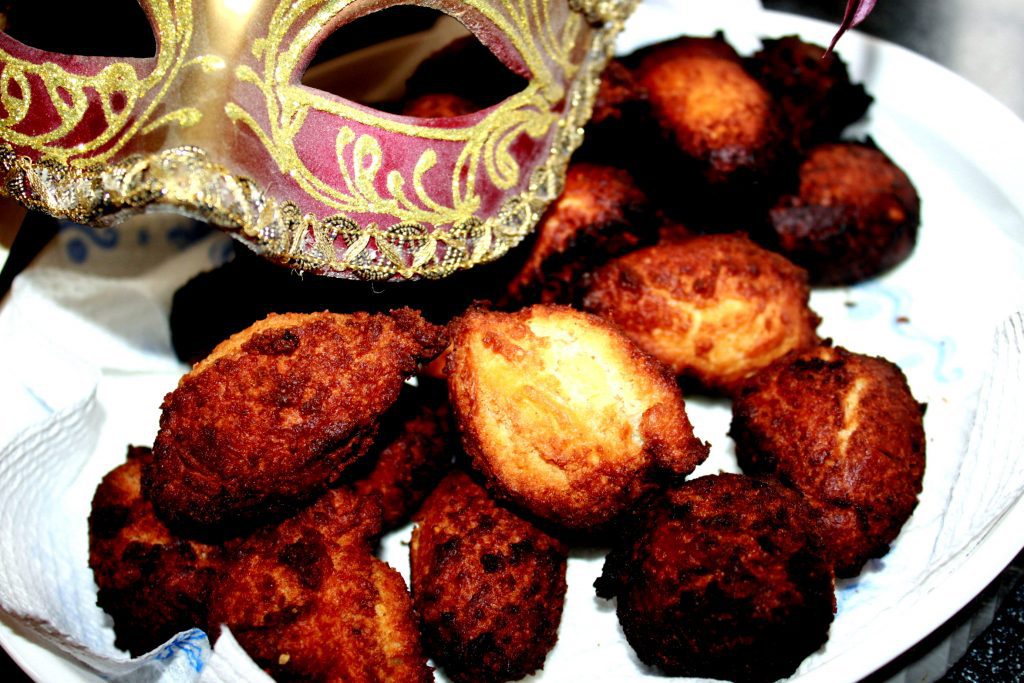
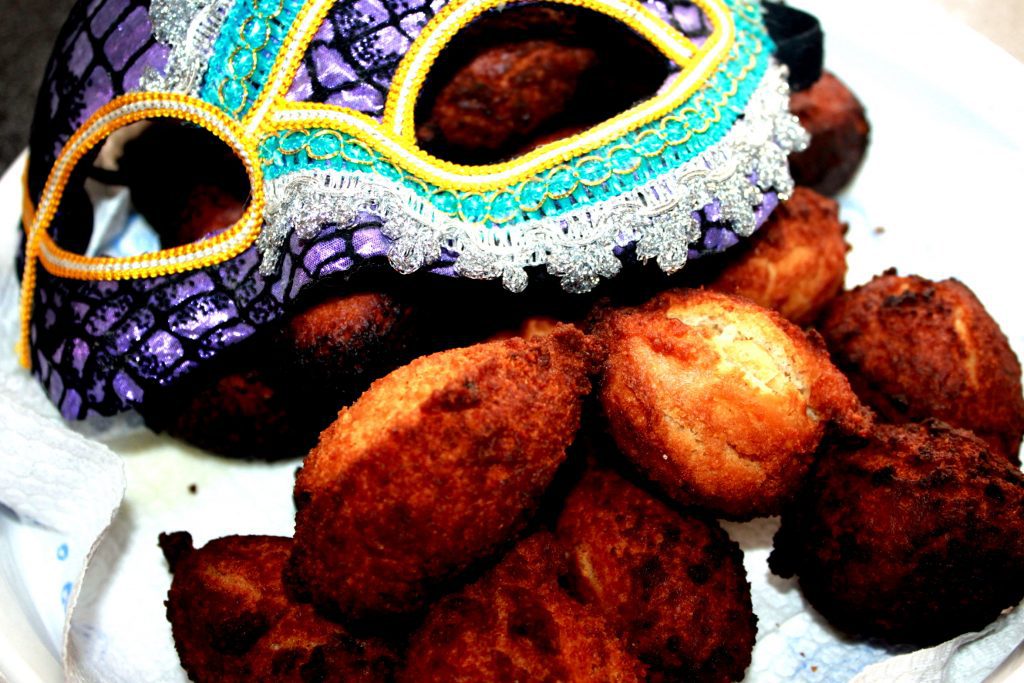
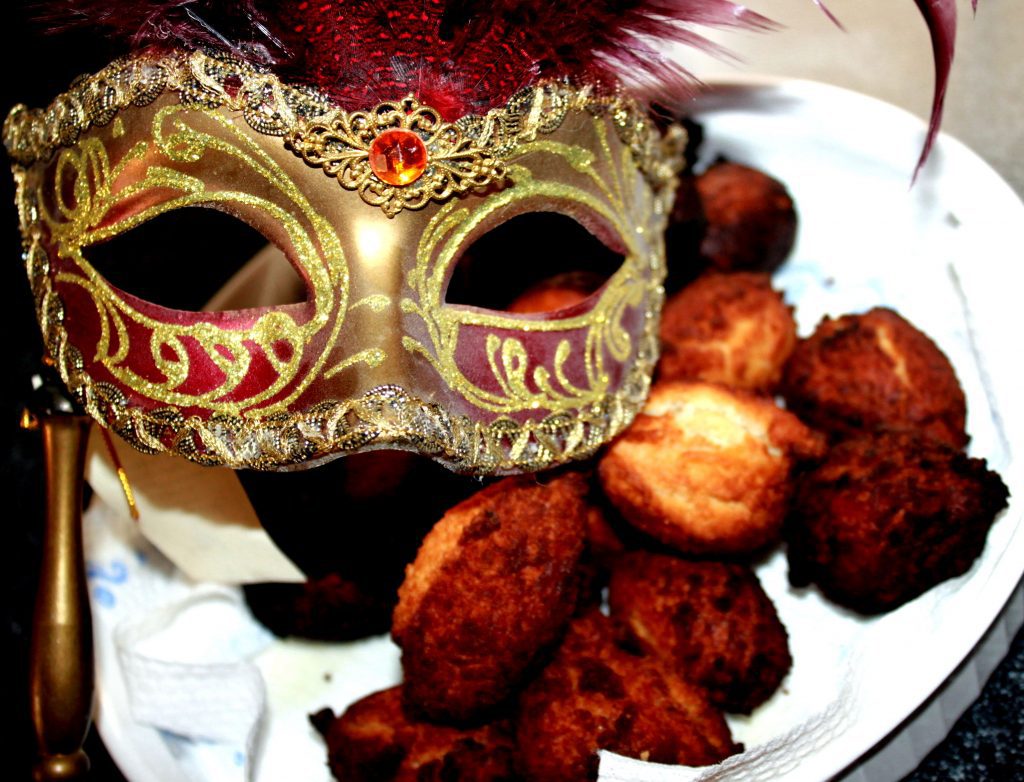
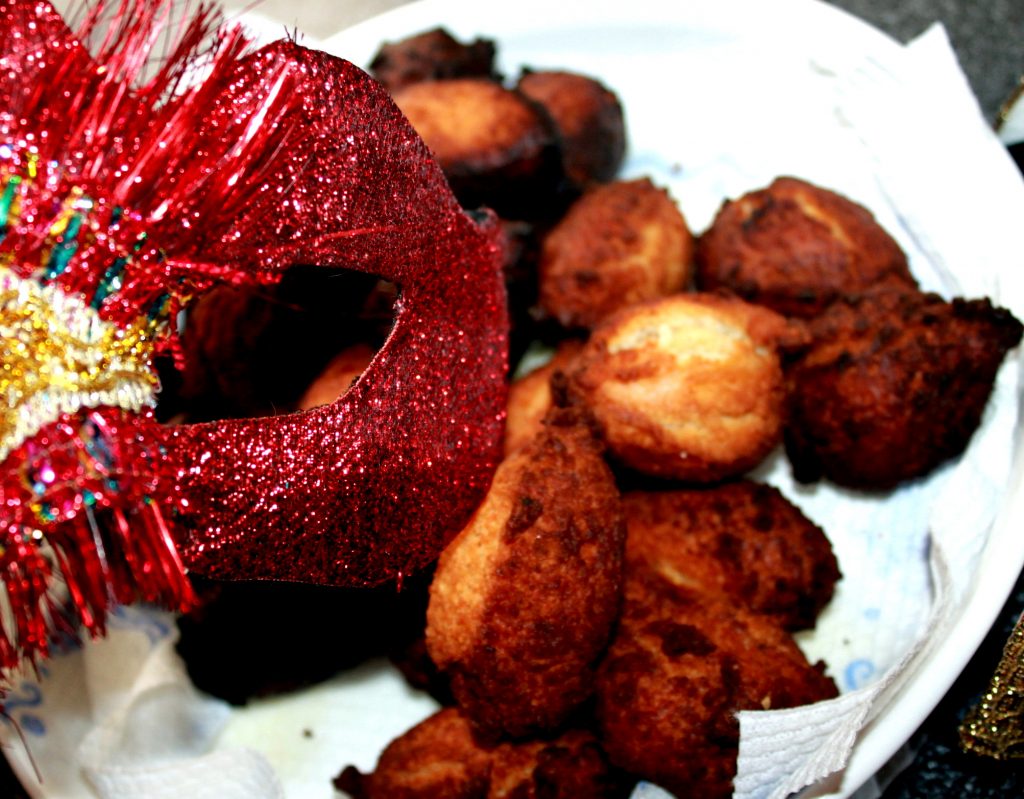
Fastnacht – Carnival in Europe! There are many nice sweet pastries for this very special time of the year. I already introduced the Oven-Berliner/Doughnuts, a long time ago. They are not fried in oil, but baked and are so a light version of the doughnuts. The Rosette Cookies are cooked in oil.
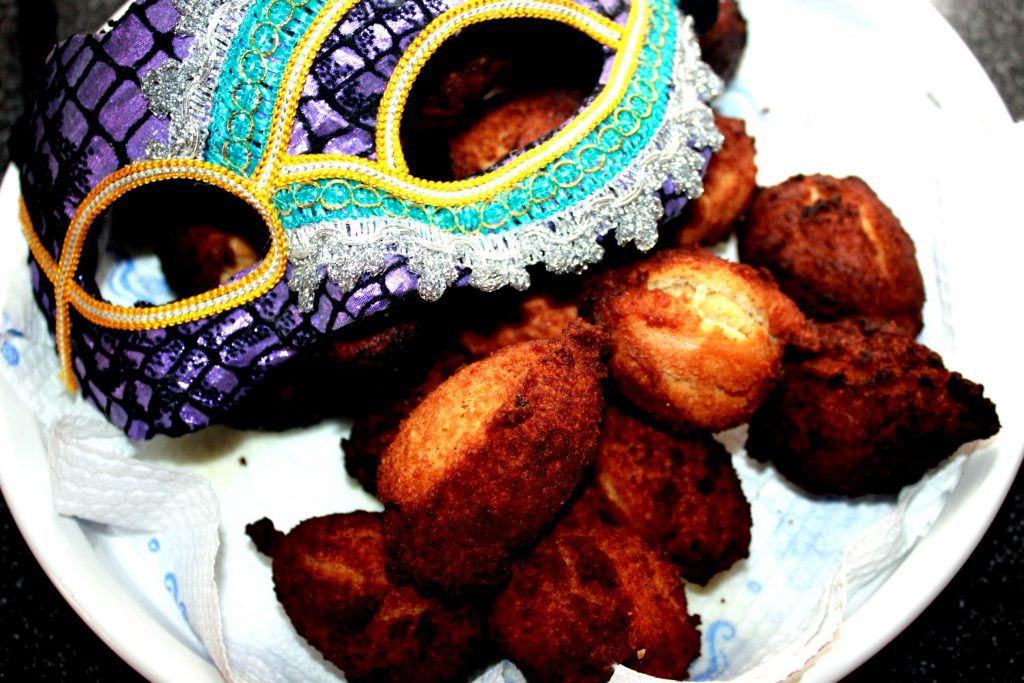
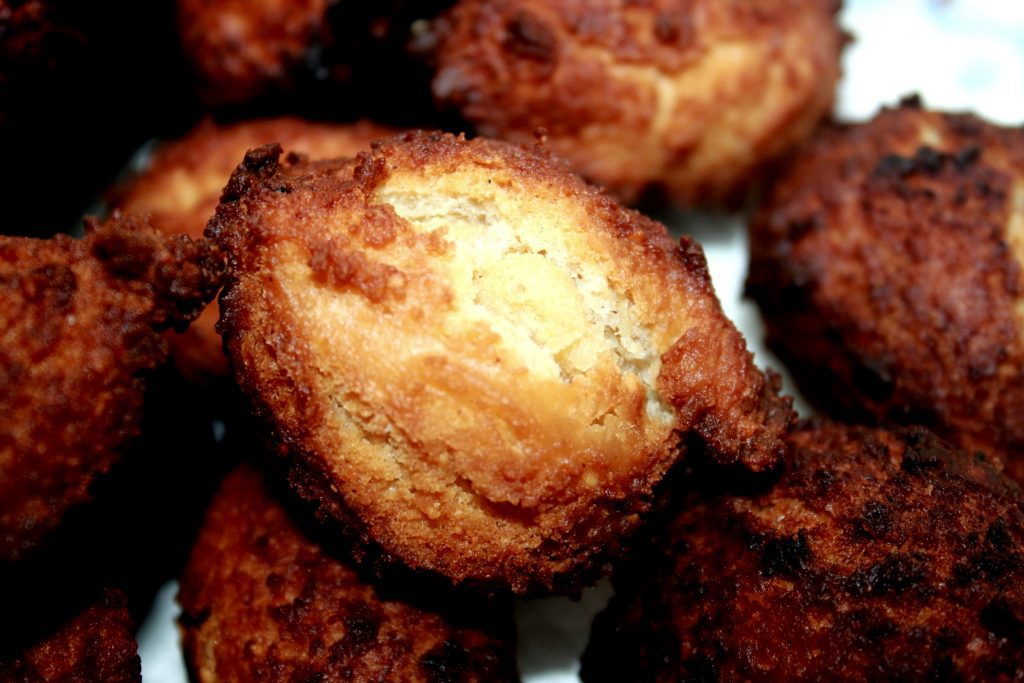
The nun’s Farts – sorry, but they are really called so – are very simple. They are fried in oil and absolutely delicious! Once you started eating them you cannot stop!
You might think, the name of this pastry derives from Fart. (probably because oft the airy dough) But linguists think differently. Already in the middle high German spelling the nun’s farts existed, but they were made with gingerbread dough.
In a recipe of the “Neues Alamodisches Koch-Büchlein” (1689) there is a description of a filling made with pepper, cinnamon, ginger and marzipan, formed into small balls and packed into dough, then fried in oil. But in this book the name means the veil of the nuns.
One of the first descriptions of the nun’s farts has been found by historian Hartmann Joseph Zeibig in the records of the diocese Klosterneuburg near Vienna. He found some recites from the 14th century with the nun’s farts in them.
Fried Nun’s Farts are known all over the German speaking area but are mostly attributed to the Swabian kitchen. They were well known with this name and are also written down in some piquant papers of the 18th century, where the nuns were looked at as frivolous women. (from Wikipedia)
The nun’s Farts – sorry, but they are really called so – are very simple. They are fried in oil and absolutely delicious! Once you started eating them you cannot stop!
The Name:
You might think, the name of this pastry derives from Fart. (probably because oft the airy dough) But linguists think differently. Already in the middle high German spelling the nun’s farts existed, but they were made with gingerbread dough.
In a recipe of the “Neues Alamodisches Koch-Büchlein” (1689) there is a description of a filling made with pepper, cinnamon, ginger and marzipan, formed into small balls and packed into dough, then fried in oil. But in this book the name means the veil of the nuns.
One of the first descriptions of the nun’s farts has been found by historian Hartmann Joseph Zeibig in the records of the diocese Klosterneuburg near Vienna. He found some recites from the 14th century with the nun’s farts in them.
Fried Nun’s Farts are known all over the German speaking area but are mostly attributed to the Swabian kitchen. They were well known with this name and are also written down in some piquant papers of the 18th century, where the nuns were looked at as frivolous women. (from Wikipedia)
Ingredients
200 g Flour
1 tsp Baking Powder
100 g ground Almond
2 tbsp Sugar
50 g Butter
5 Drops Almond aroma
2 Eggs
Zest of 1 Lemon
Oil for Frying
Instructions
1
Step 1
Beat the eggs with the sugar until they turn pale.
2
Step 2
Melt the butter and add the almond extract.
3
Step 3
Mix the flour with the baking powder, lemon zest and the ground almonds. Mix everything with the eggs.
4
Step 4
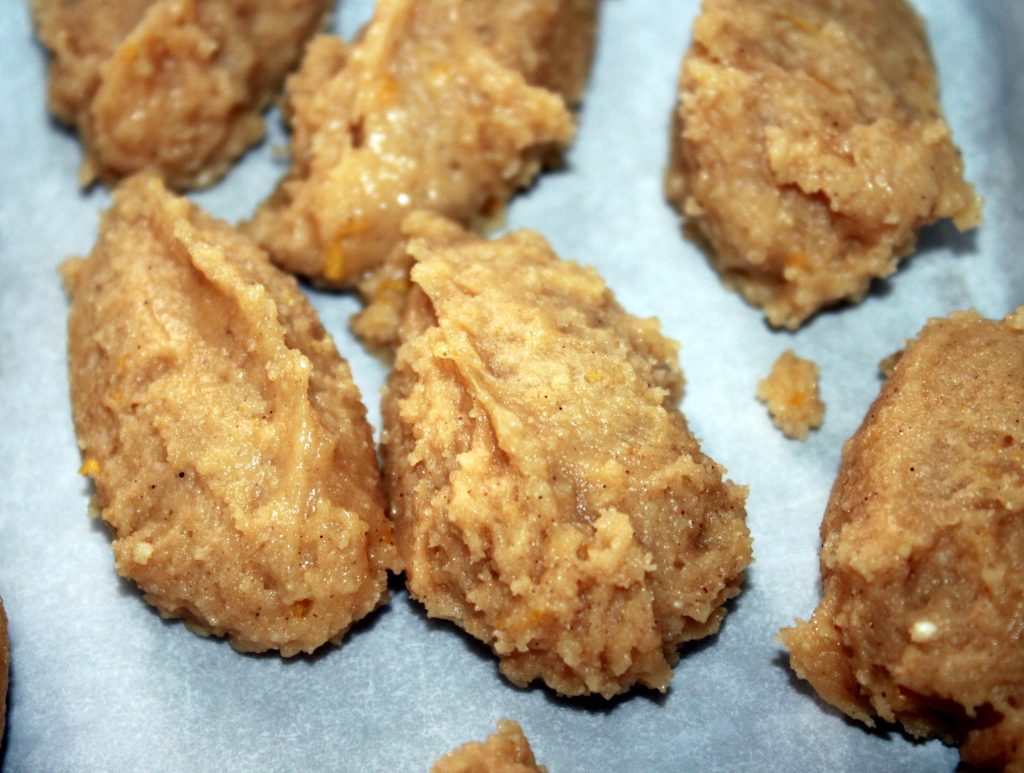
Form oval drops with two teaspoons and put them onto baking paper on a baking tray. Put them into the fridge for 30 minutes.
5
Step 5
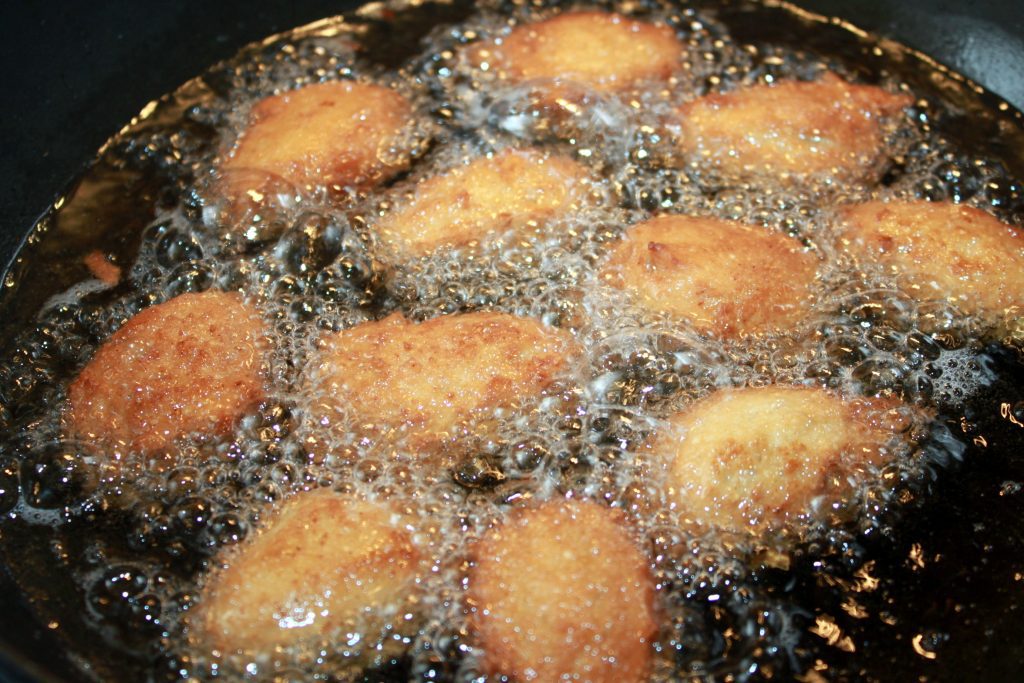
Heat the oil to 180 C and fry the farts in batches. Let them drip off on a kitchen towel.
Notes
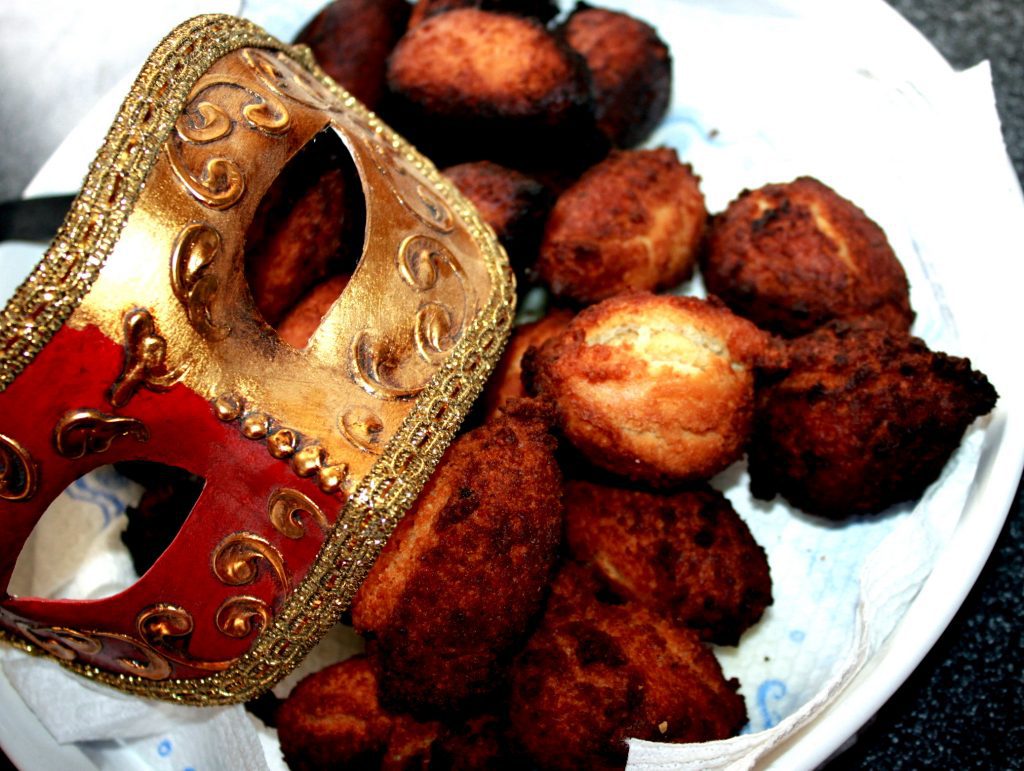
They are best very fresh and still slightly warm! If you like them sweeter sprinkle them with icing sugar.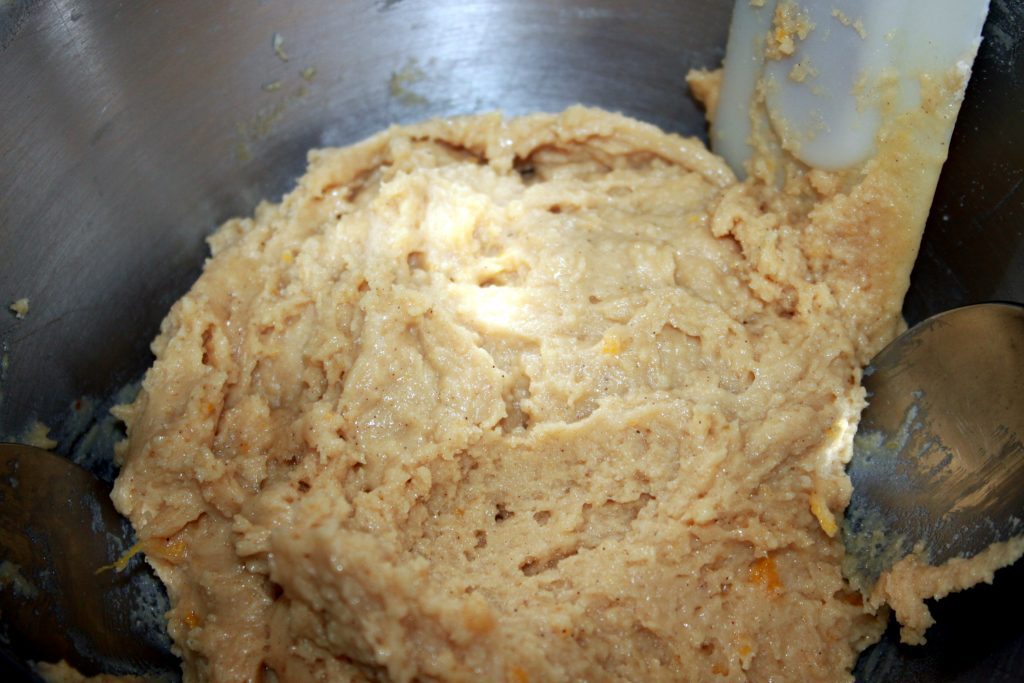



![[Valid RSS]](https://pane-bistecca.com/wp-content/uploads/2024/05/valid-rss-rogers.png "Validate my RSS feed")