Caipirinha
Pane-Bistecca
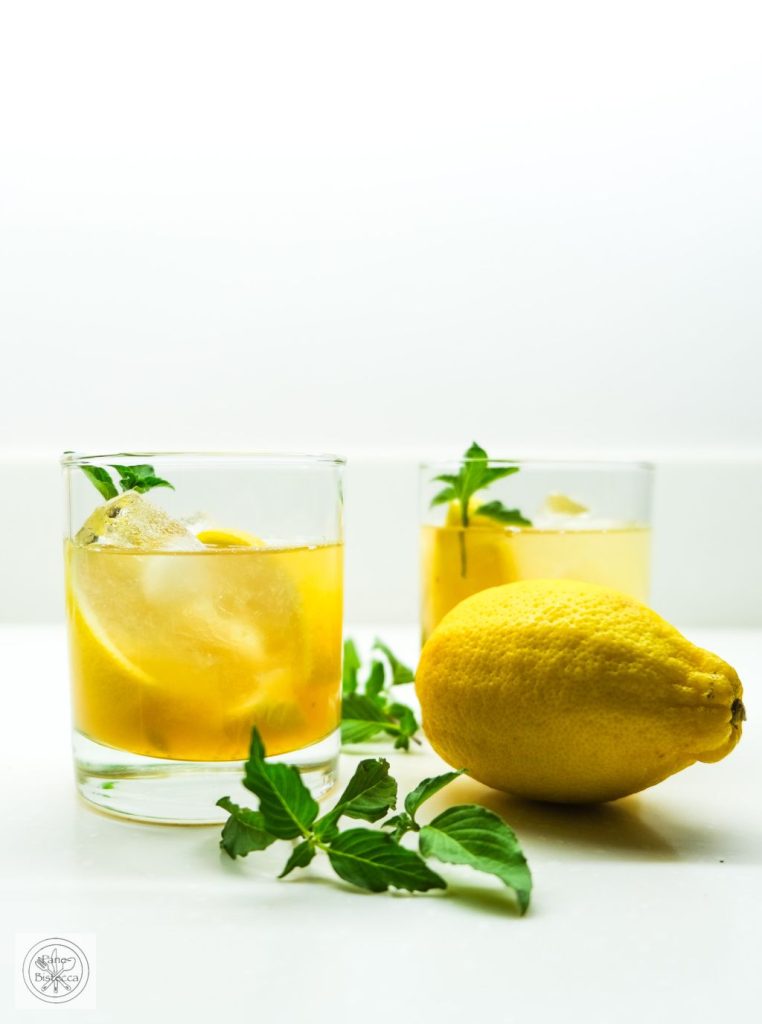
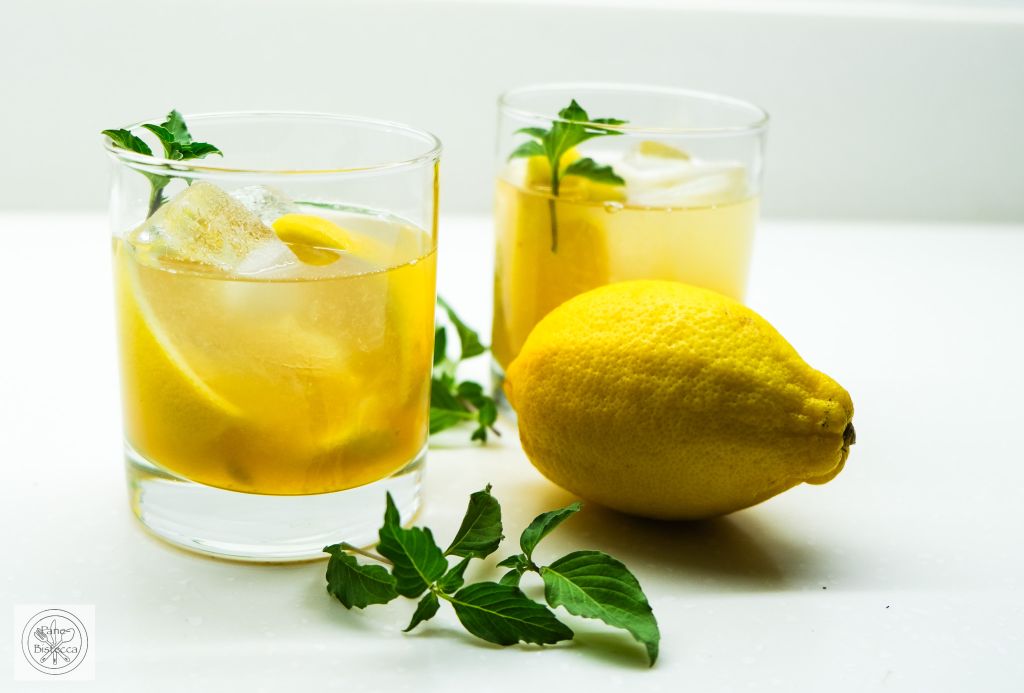
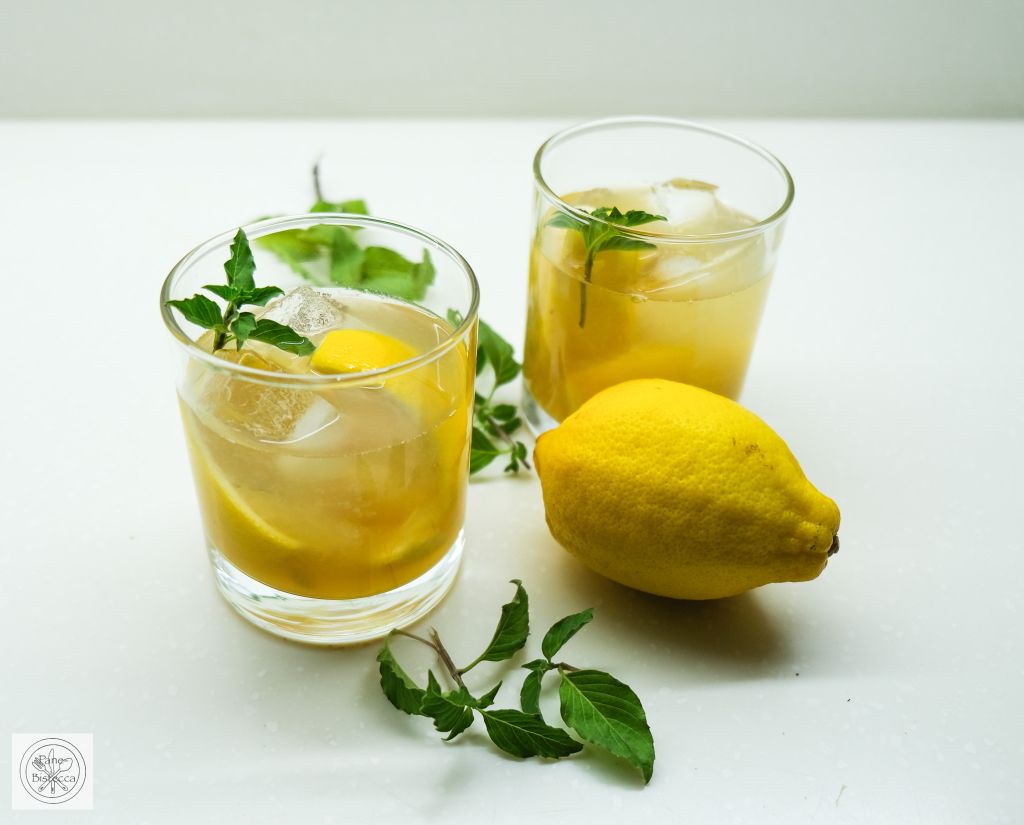
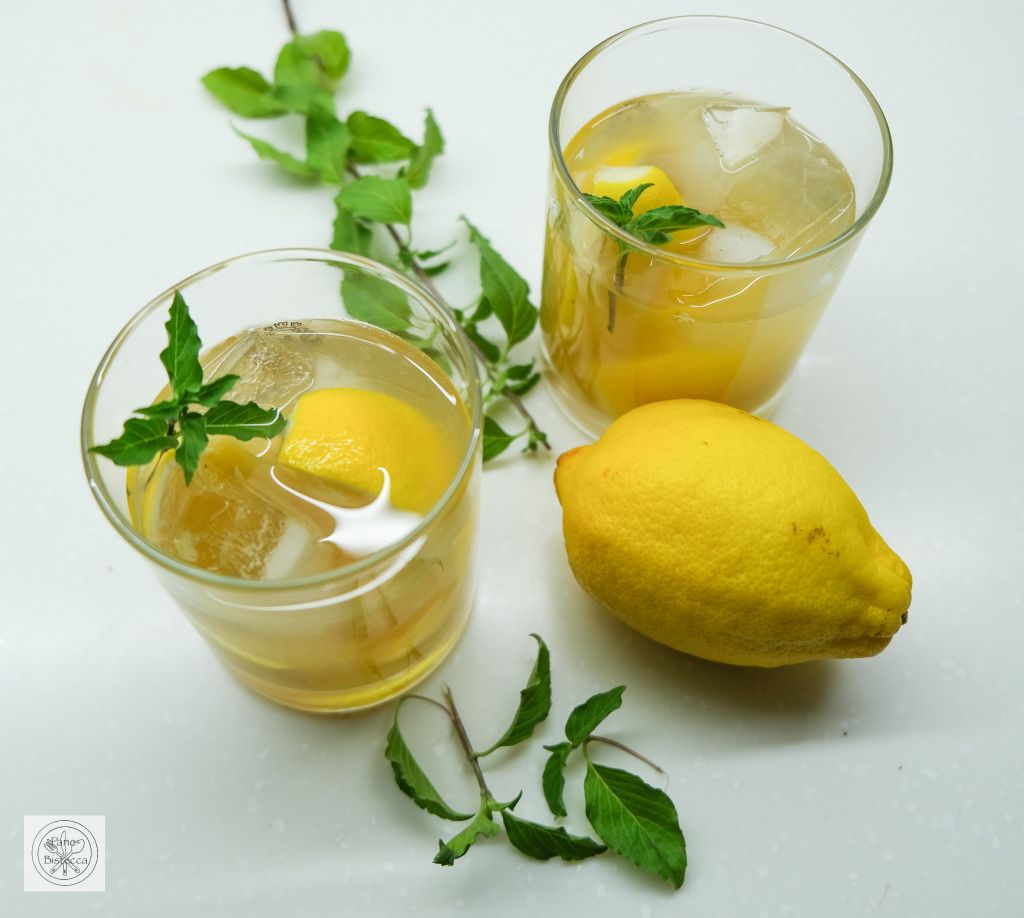
Caipirinha is Brazil’s most iconic drink, known for its freshness and simplicity, and it has been adopted in Paraguay. Ideal for casual get-togethers, this alcoholic beverage combines cachaça, sugar, and lime, creating a perfect balance between sweetness and tartness.
The caipirinha originated in Brazil, and although its exact date of origin is unknown, the most widely accepted theory is that it was created in the state of São Paulo in the early twentieth century. Initially, it was not conceived as a recreational cocktail, but rather as a home remedy.
It is believed that caipirinha was used to treat the symptoms of the Spanish flu (1918), combining lemon, garlic, honey, and cachaça. This mixture was intended to harness the antioxidant and antibacterial properties of lemon and honey, as well as the “warming” effect of alcohol.
Over time, garlic and honey fell out of use, leaving only lemon, sugar, and cachaça—resulting in the cocktail we know today. Meanwhile, the “Caipi,” as it’s called in German-speaking regions, is widely available throughout South America.
In terms of classic cocktail genres, the caipirinha falls into the “sours” category. The drink is internationally renowned and is also included on the official list of the International Bartenders Association.
Traditionally mixed with the sugarcane spirit cachaça (pinga) (Caipirinha de Pinga), the cocktail is also prepared with vodka (Caipirinha de Vodka or Caipiroska) and, in southern Brazil, with red wine (Caipirinha de Vinho) instead of cachaça. Originally, a lemon-based “batida” was the pulp-free prototype for the caipirinha.
The name “Caipirinha” is the diminutive form of the Brazilian neutral noun “Caipira,” which means “farmer” or “country bumpkin”; The name comes from the fact that the caipirinha was originally a cocktail of the rural upper class and spread to the big cities after the end of World War I, while in the countryside, sugarcane schnapps is usually drunk straight.
This month, we’re traveling to Paraguay as part of Volkermampft’s Culinary World tour which is why this drink is being featured in this blog event.
The caipirinha originated in Brazil, and although its exact date of origin is unknown, the most widely accepted theory is that it was created in the state of São Paulo in the early twentieth century. Initially, it was not conceived as a recreational cocktail, but rather as a home remedy.
It is believed that caipirinha was used to treat the symptoms of the Spanish flu (1918), combining lemon, garlic, honey, and cachaça. This mixture was intended to harness the antioxidant and antibacterial properties of lemon and honey, as well as the “warming” effect of alcohol.
Over time, garlic and honey fell out of use, leaving only lemon, sugar, and cachaça—resulting in the cocktail we know today. Meanwhile, the “Caipi,” as it’s called in German-speaking regions, is widely available throughout South America.
In terms of classic cocktail genres, the caipirinha falls into the “sours” category. The drink is internationally renowned and is also included on the official list of the International Bartenders Association.
Traditionally mixed with the sugarcane spirit cachaça (pinga) (Caipirinha de Pinga), the cocktail is also prepared with vodka (Caipirinha de Vodka or Caipiroska) and, in southern Brazil, with red wine (Caipirinha de Vinho) instead of cachaça. Originally, a lemon-based “batida” was the pulp-free prototype for the caipirinha.
The name “Caipirinha” is the diminutive form of the Brazilian neutral noun “Caipira,” which means “farmer” or “country bumpkin”; The name comes from the fact that the caipirinha was originally a cocktail of the rural upper class and spread to the big cities after the end of World War I, while in the countryside, sugarcane schnapps is usually drunk straight.
This month, we’re traveling to Paraguay as part of Volkermampft’s Culinary World tour which is why this drink is being featured in this blog event.
Ingredients
2 organic Lemons (limes can also be used)
2 tbsp Sugar (cane sugar, if possible)
50-60 ml Cachaça
Ice cubes
optional Soda Water
Mint Leaves
Instructions
1
Step 1
Wash the lemons thoroughly and rub them dry. Then cut them into eighths.
2
Step 2
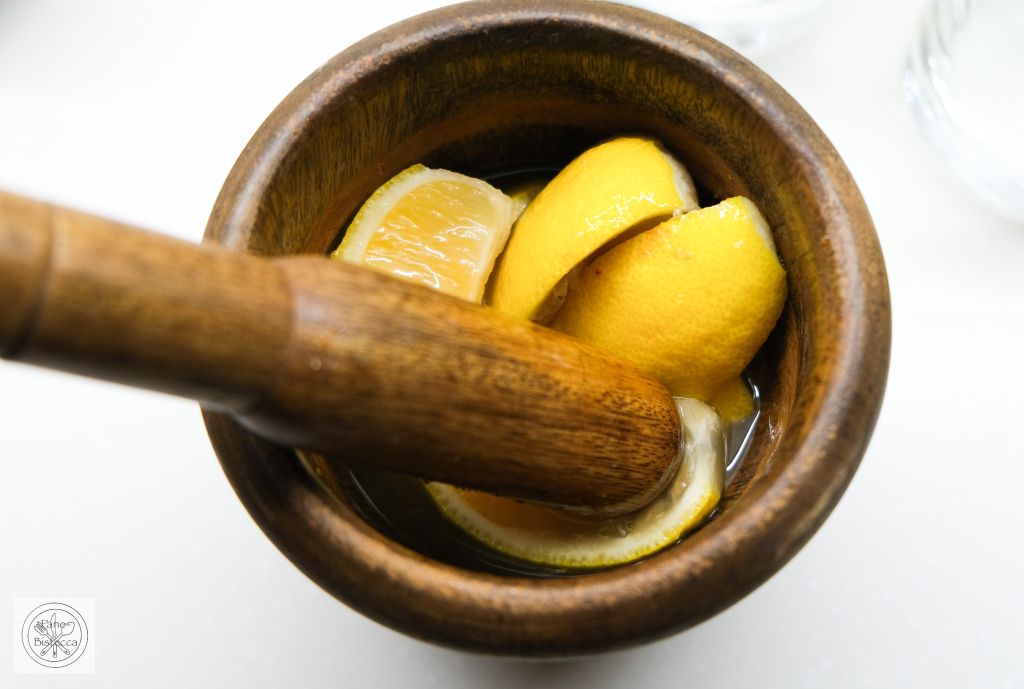
Place them in a mortar and sprinkle the sugar over them.
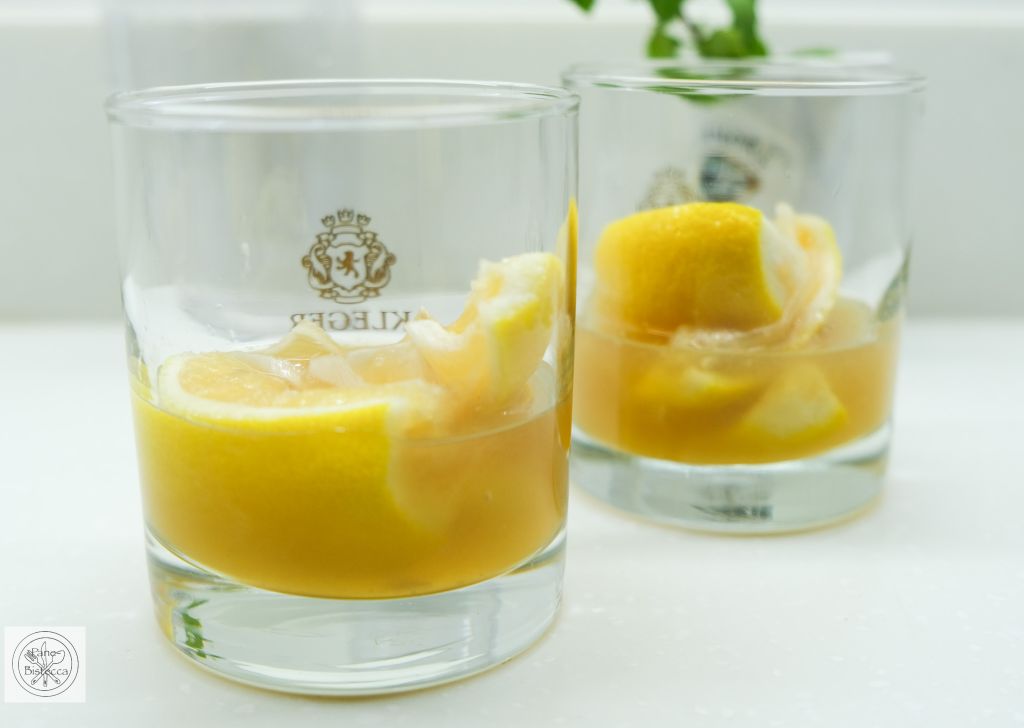
Now use the pestle to crush the lemons and mix them with the sugar. Divide the mixture between 2 glasses. I didn’t put all the lemon pieces into the glasses—just the ones that still had some flesh attached.
3
Step 3
Now pour in the cachaça and add ice cubes. Stir with a spoon. Add soda water to taste. Mix well and garnish with mint leaves. Cheers!
Notes
If cachaça isn’t available, it can be replaced with rum or vodka.
- Wilma von Pane-Bistecca mit Caipirinha und Chipa So’o – gefuelltes Brot aus Paraguay
- Susanne von magentratzerl mit Mbejú – Käsepfannkuchen
- Jenny von Jenny is baking mit Mbeju – glutenfreie Käsepfannkuchen
- Regina von bistroglobal mit Lomito Arabe
- Friederike von Fliederbaum mit Sopa paraguaya (Maisauflauf) und Salsa criolla
- Tina von Küchenmomente mit Pastafrola de Guayaba aus Paraguay
- Petra aka Cascabel von Chili und Ciabatta mit Sopa Paraguaya und Fleischbällchen in Brühe – Albondigas en Caldo
- Britta von Brittas Kochbuch mit Guiso de Gallina – Hähncheneintopf aus Paraguay und Chipas – Käsesnack aus Paraguay



![[Valid RSS]](https://pane-bistecca.com/wp-content/uploads/2024/05/valid-rss-rogers.png "Validate my RSS feed")
Bei Caipi bin ich sofort dabei! Den haben wir (nicht nur) in Brasilien ausgiebig genossen 🙂 Ich kenne den mit reichlich Crushed Eis, das ist wunderbar erfrischend.
Sehr! Schmeckt eindeutig nach mehr!
LG Wilma
Caipi – oder auch Mojito – liebe ich. Allerdings trinke ich keinen Alkohol mehr, da muss ich wohl in Erinnerungen schwelgen.
Liebe Grüße
Britta
Bin gerade am Überlegen, was man als Ersatz nehmen kann, damit du mittrinken kannst. Oh im Netz gibts einige Virgin Caipis, schau mal nach.
LG Wilma
Oh, Caipi mag ich auch; ich kannte den aber bisher nur mir Limette.
Es geht beides, Zitrone ist weniger sauer.
LG Wilma
Wie wurde denn dieses brasilianische Getränk in Paraguay angepasst? Ich mag fast noch lieber Mojito.
Sie haben es einfach mit übernommen, anscheinend kriegt man es dort oft. Original ist es ja nicht von dort.
Ist fast schon so wie Aperol Spritz, der in der Schweiz besser verkauft wird, als in Italien, wo er herstammt.
LG Wilma
Liebe Wilma, auch ich möchte gerne ein Glas. Es ist fast 17 Uhr und ein Aperitif wäre super. Viele Grüße, Regina