Cheese – Leek Pie
Pane-Bistecca
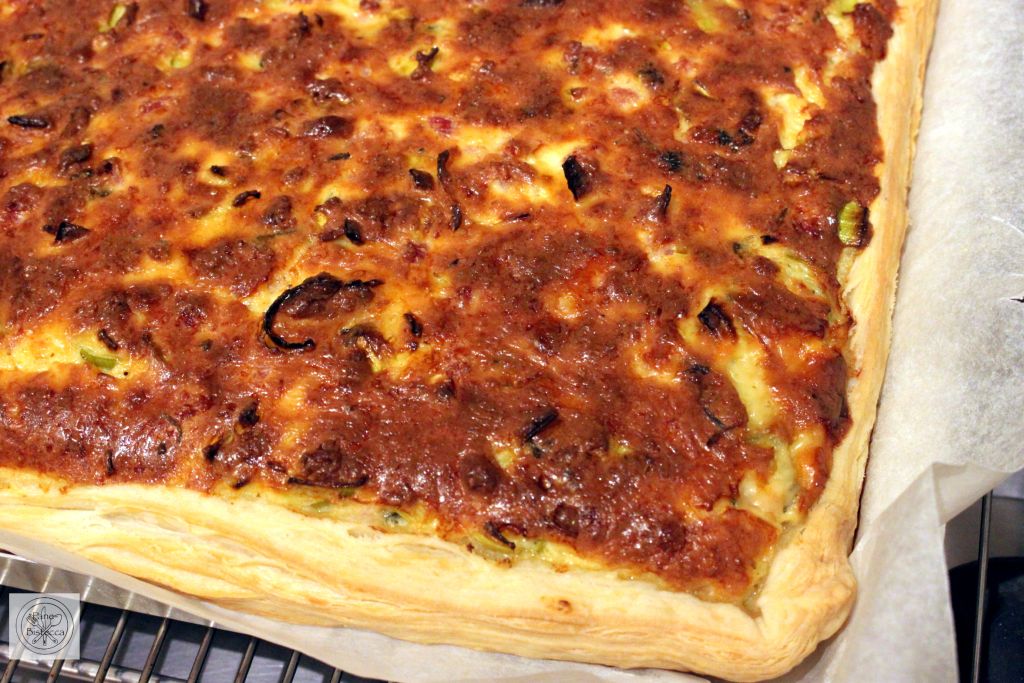
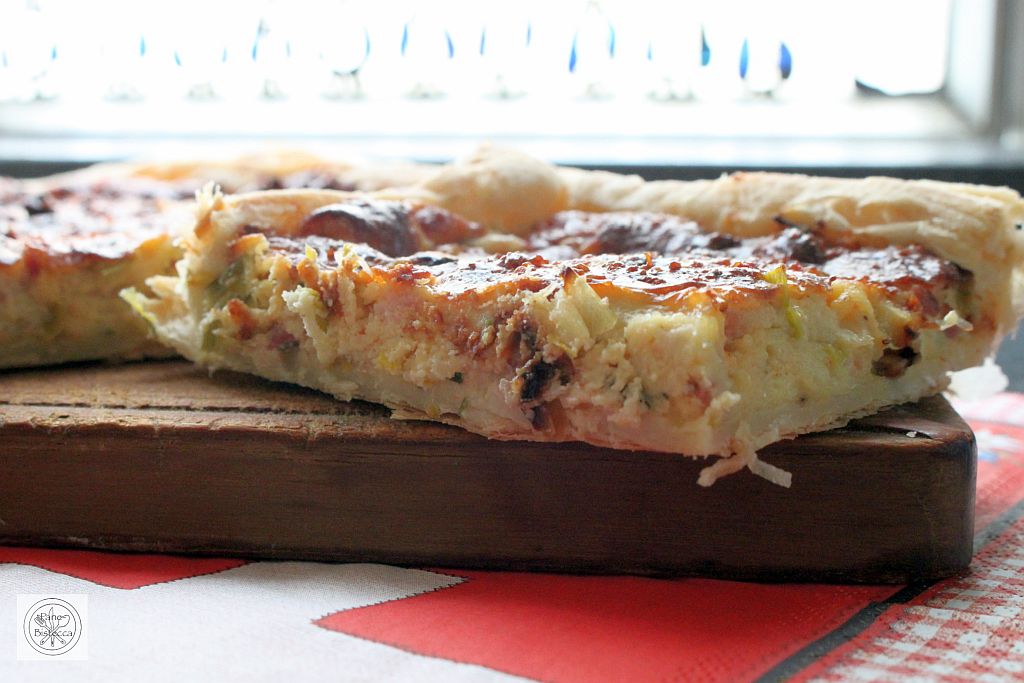
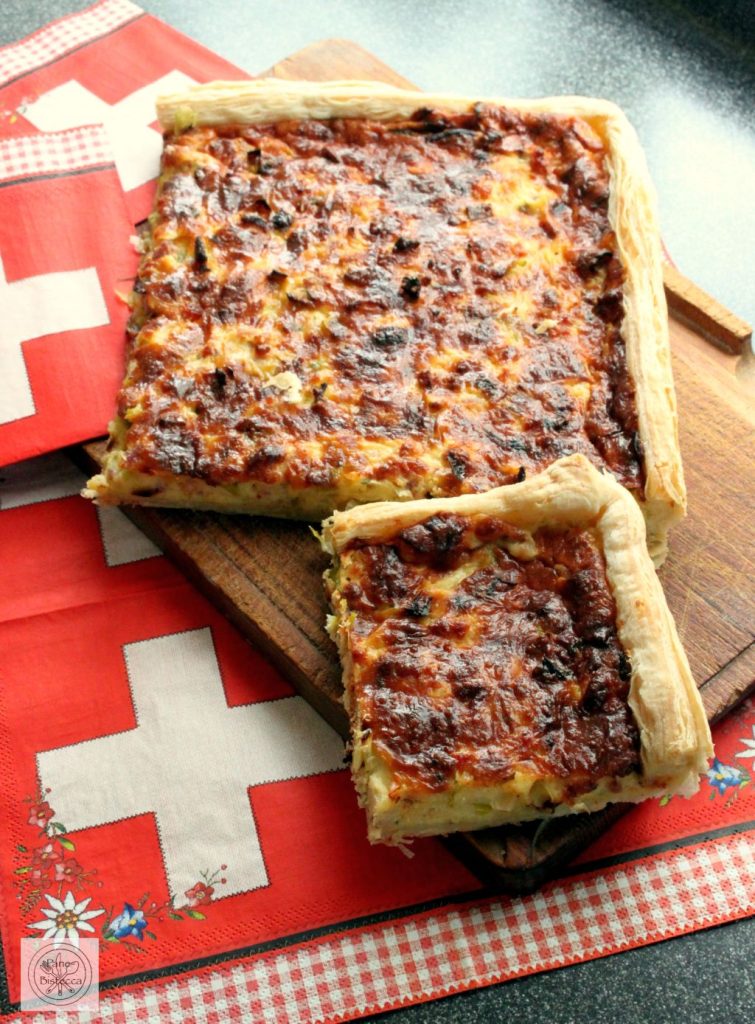
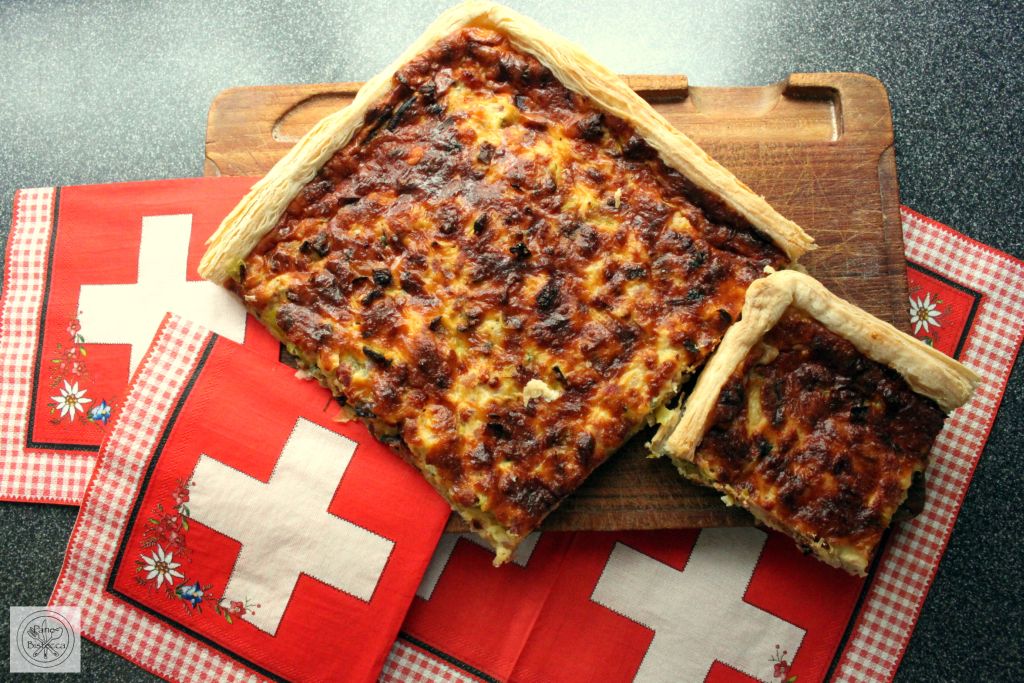
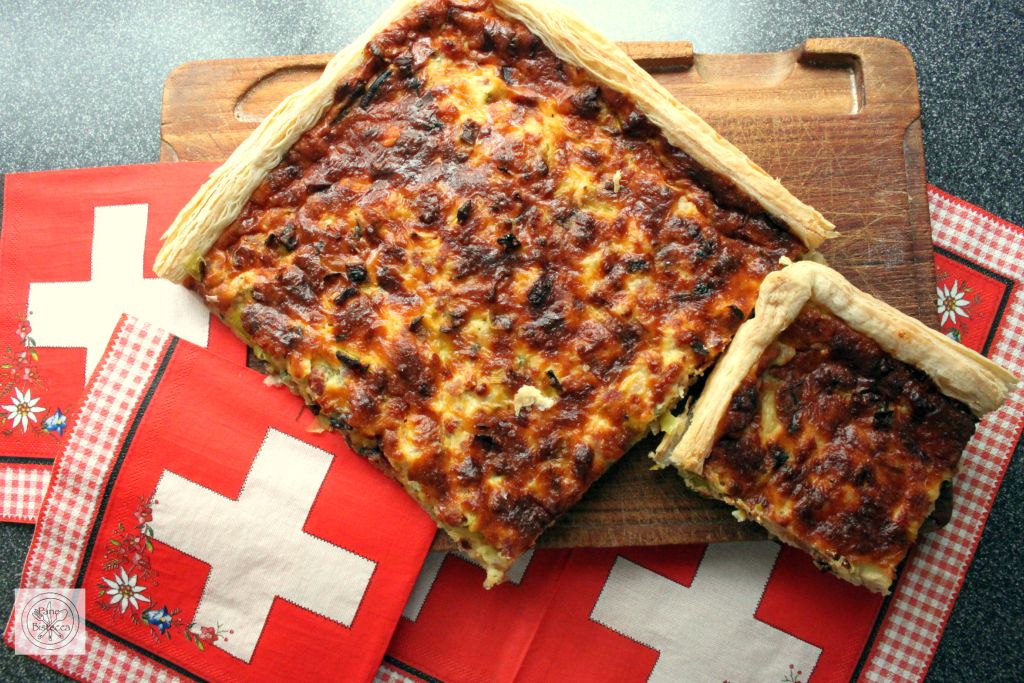
This is a delicious cheese-and-leek tart. Tarts are a common sight in Switzerland. Every bakery carries them, whether they’re sweet and fruity or savory. For us Swiss, it’s one of our national dishes.
This time, I used leftover cheese from a cheese buffet and mixed in some leeks. You can really make a tart with just about anything—mix in all sorts of ingredients. I’ve already shared some traditional savory tart recipes with you, as well as sweet ones. All you have to do is pick one.
The Wähe likely originated in the Swiss Mittelland. The first documented mention of the term “wäye” dates back to 1556. It is described in a Zurich dictionary as a “flatbread or cake.” The Wähe originated in home baking.
According to Albert Spycher, leftover dough that remained in the mixing bowl after baking bread was used. “The leftover bread dough was rolled out into thin flatbreads, and the edges were pinched together to form a rim so that the filling wouldn’t leak out.” They were then topped with whatever ingredients happened to be on hand in the household. Both fruits and vegetables were used, which is why the history of savory and sweet Wähe cannot be separated.
Wähen did not remain a food for the poor, but also found their way into middle-class cuisine. For example, a recipe for an “Apfel Dünne” can be found in the middle-class cookbook *Kochbuch der Catharina Fehr*. The recipe described how to make it using butter dough, sliced apples, and a filling made from flour, wine, eggs, sugar, and raisins. Since the 19th century, Wähen have also been made in commercial bakeries. (from Wikipedia)
Ingredients
500 g Puff Pastry
500 g leftover Cheese like Gruyere, Appenzeller, Bergkäse, grated
3 Eggs
200 g Cream Cheese
100 g Bacon Bits
Pepper
Paprika
Rosemary
Nutmeg
1/2 Bunch Parsley or Chives, chopped
Instructions
1
Step 1
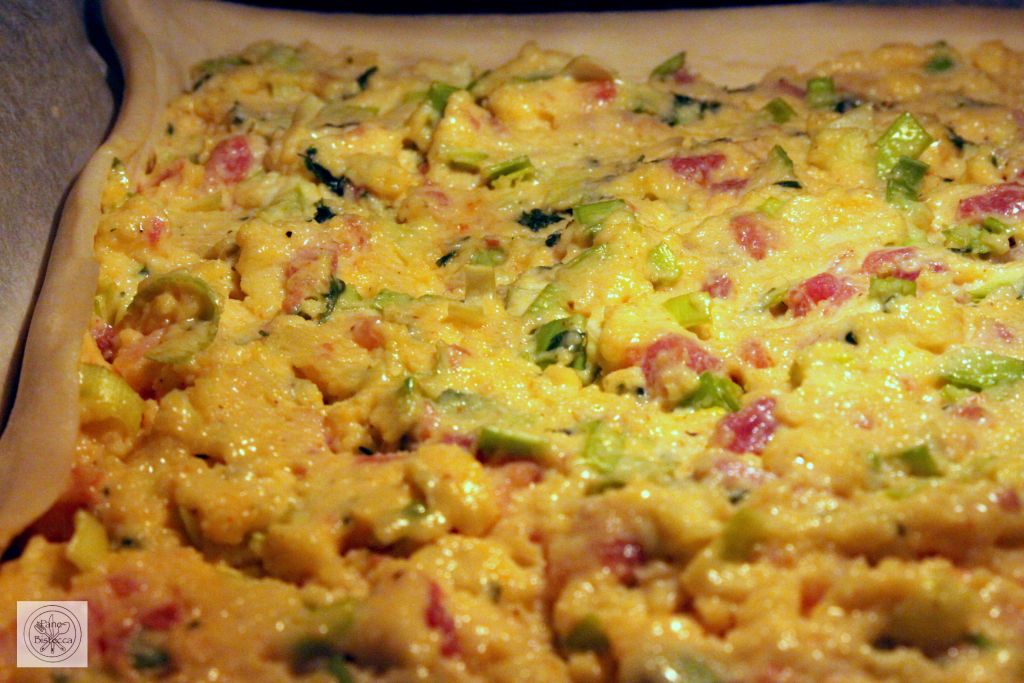
Roll out the puff pastry and place it in the baking pan, forming a rim on all sides. Prick the bottom several times with a fork to prevent bubbles from forming.
2
Step 2
Cut the leek in half lengthwise, then slice it into thin strips.
3
Step 3
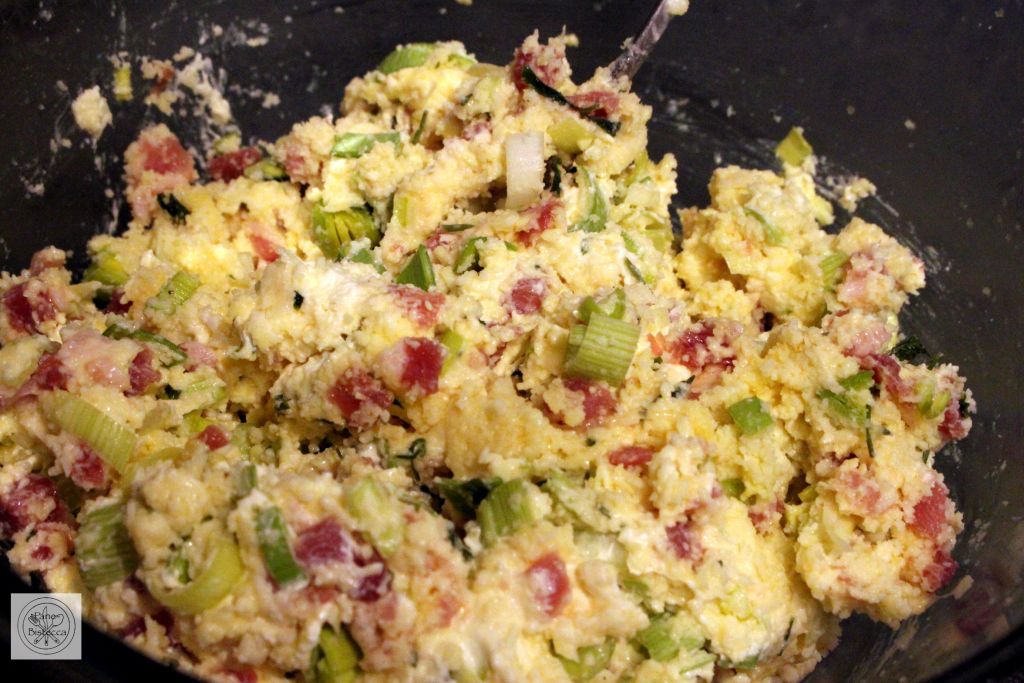
Mix the grated cheese well with all the other ingredients and the leek. Spread the mixture over the dough and smooth it out.
4
Step 4
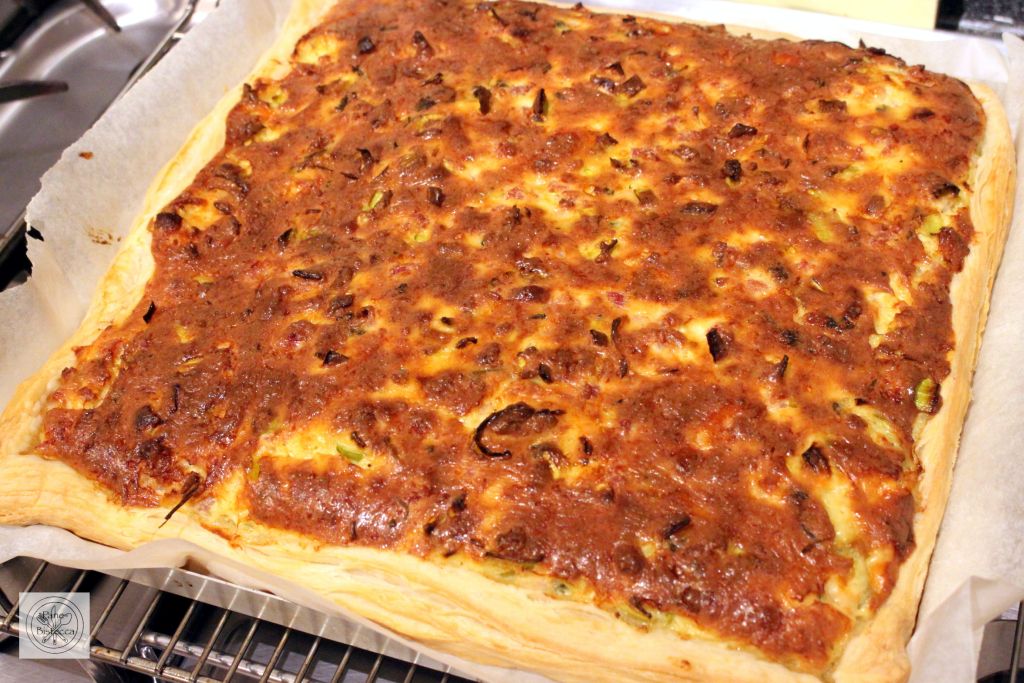
Bake the tart in a preheated oven at 200 degrees Celsius for 30–40 minutes.
5
Step 5
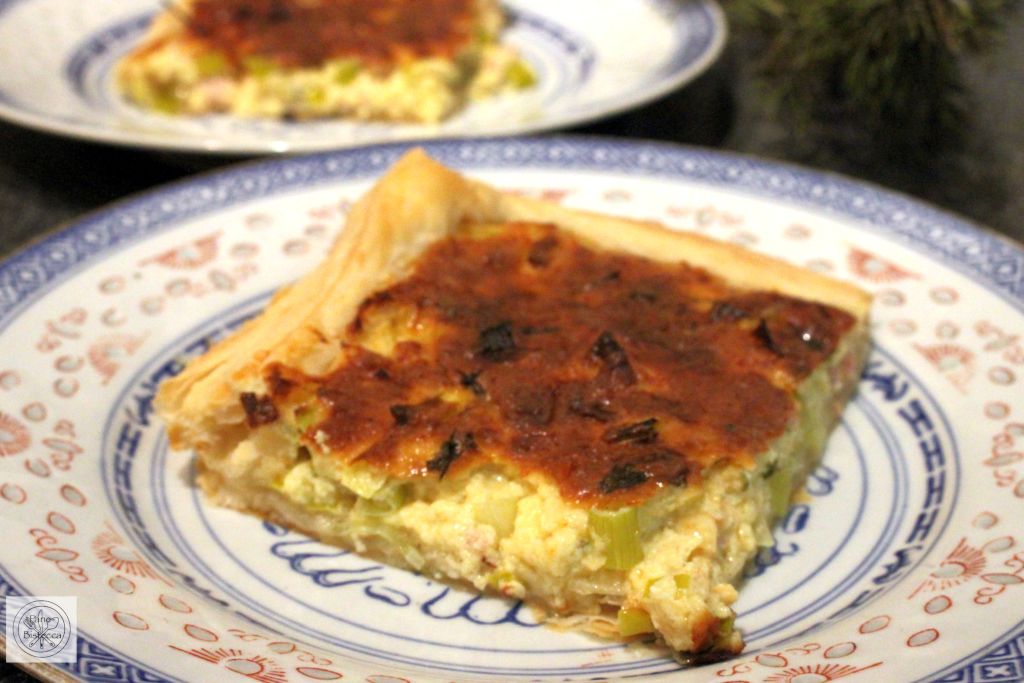
Turn off the oven, let the tart rest for 5 minutes, then cut it into pieces and serve hot. A salad goes great with it!
Notes
You can eat tarts cold or warm! A cheese tart also makes great finger food when cut into small pieces and served at parties!